Coverage Solutions
Builder’s Risk Insurance
Protect projects in progress with builder’s risk coverage tailored for ground-up construction, renovations, and installation exposures. Trident Summit Insurance Group helps contractors, developers, and property owners secure coverage that supports timelines, budgets, and lender requirements.
Coverage built for active jobsites
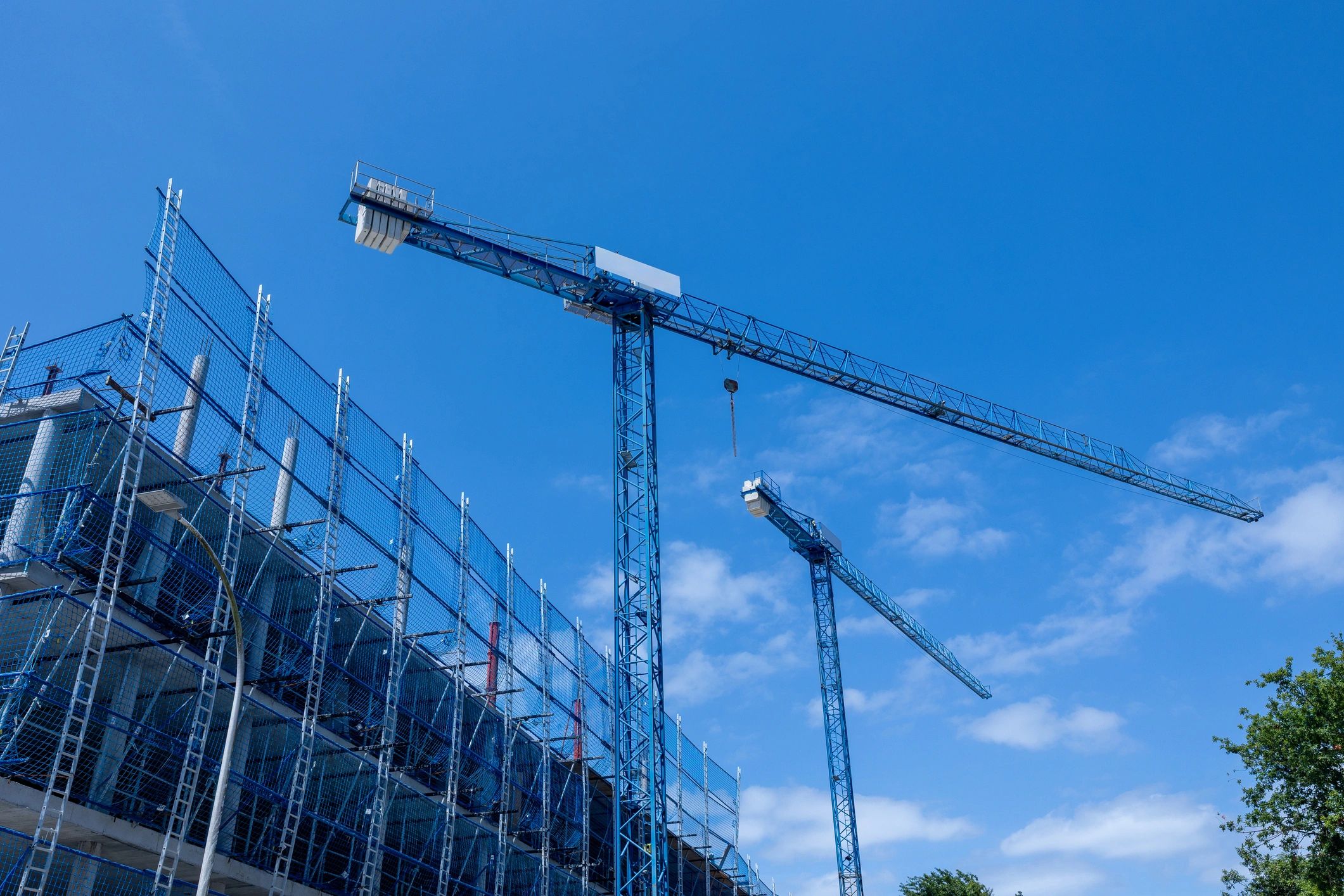
Builder’s risk insurance helps protect buildings and materials while a project is under construction. Coverage can respond to damage from fire, wind, theft, vandalism, and certain other covered causes of loss before the work is complete.
Policies can often be structured for new construction, remodeling, tenant improvements, and installation projects. Our advisors help align limits, soft cost options, transit and temporary storage considerations, and project duration with the realities of your build.
What it helps cover
Key builder’s risk considerations
Structure and materials
Protect covered buildings, fixtures, and materials intended to become part of the finished project.
Transit and storage
Address exposures for materials in transit or temporarily stored off-site when available by policy design.
Delay-related costs
Evaluate soft costs, interest, and other time-sensitive expenses that can follow a covered loss.
Builder’s Risk FAQs
Answers to common questions about insuring projects under construction.
Who needs builder’s risk insurance?
It is commonly purchased by property owners, general contractors, developers, and others with a financial interest in the project.
When should coverage begin?
Coverage should typically be arranged before materials arrive or work starts so the project is protected from day one.
Does it cover theft of materials?
Many policies can cover theft of covered materials, subject to terms, conditions, and security requirements.
Can renovations be covered?
Yes. Builder’s risk can often be written for renovations, tenant improvements, and interior build-outs, depending on the project.
How long does coverage last?
Coverage is usually written for the expected construction term and may end at completion, occupancy, or policy expiration, depending on the form.
What information is needed for a quote?
We typically need the project location, construction type, completed value, timeline, scope of work, and details about materials, security, and parties involved.